Our Graphic Score Masterclass gives students the ability to match sounds to pictures with confidence, using clear listening strategies and real test-style examples. Through guided listening, visual clues, and step-by-step explanations, students discover how graphic scores show pitch, movement, texture, rhythm, and mood — without using traditional music notation.
Graphic Score Masterclass Overview
🧠 Part 1: What Is a Graphic Score?
We begin by explaining what graphic scores are and why they are used:
how pictures can represent sound,
why composers sometimes choose graphics instead of notes,
and how performers use their ears and imagination to interpret them.
👀 Part 2: How to Read a Graphic Score
Next, we learn how to decode a graphic score by asking the right listening questions:
Do the shapes go up or down?
Are there lots of sounds or just a few?
Are sounds played together or one at a time?
Do shapes suggest long sounds, short sounds, or sudden changes?
You’ll learn how these visual clues link directly to what you hear.
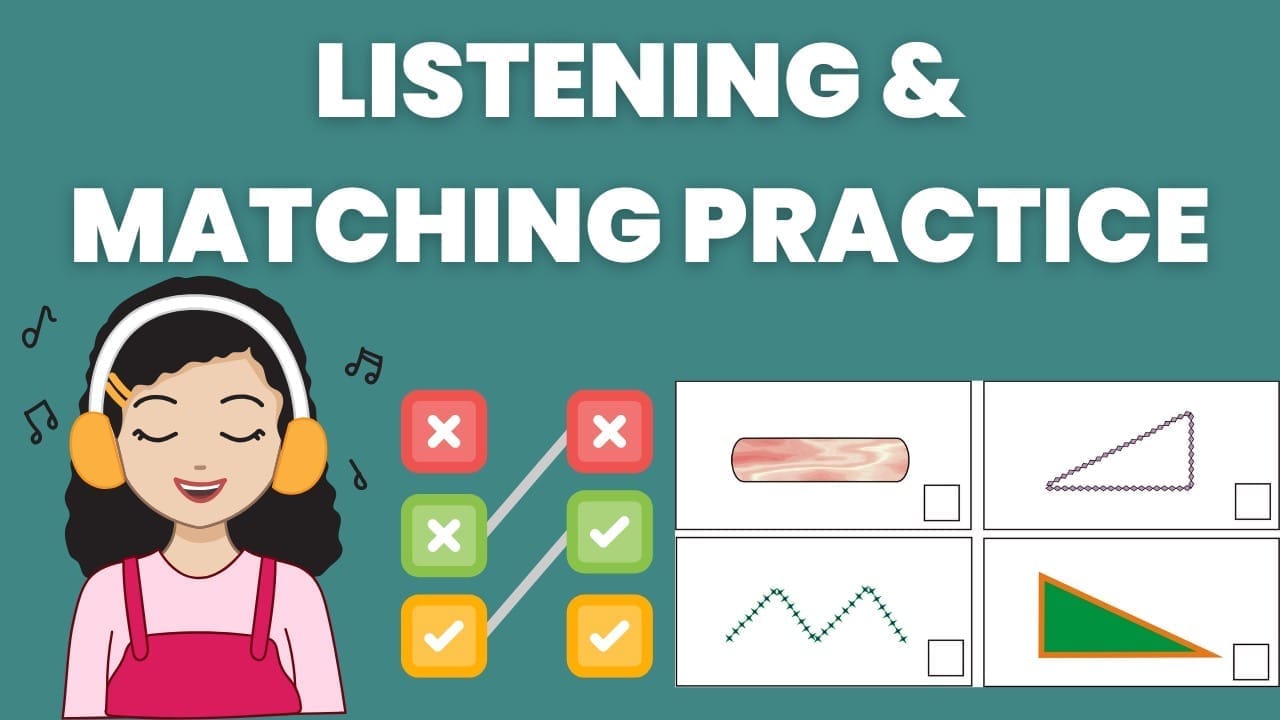
🎶 Part 3: Listening & Matching Practice
Now it’s time to practise!
You’ll listen to short sounds and tunes and match them to the correct graphic score, using the same techniques you’ll need in the real test.
We’ll pause, think, and explain answers together so you understand how to make the best choice.
✅ Part 4: Mini Graphic Score Test
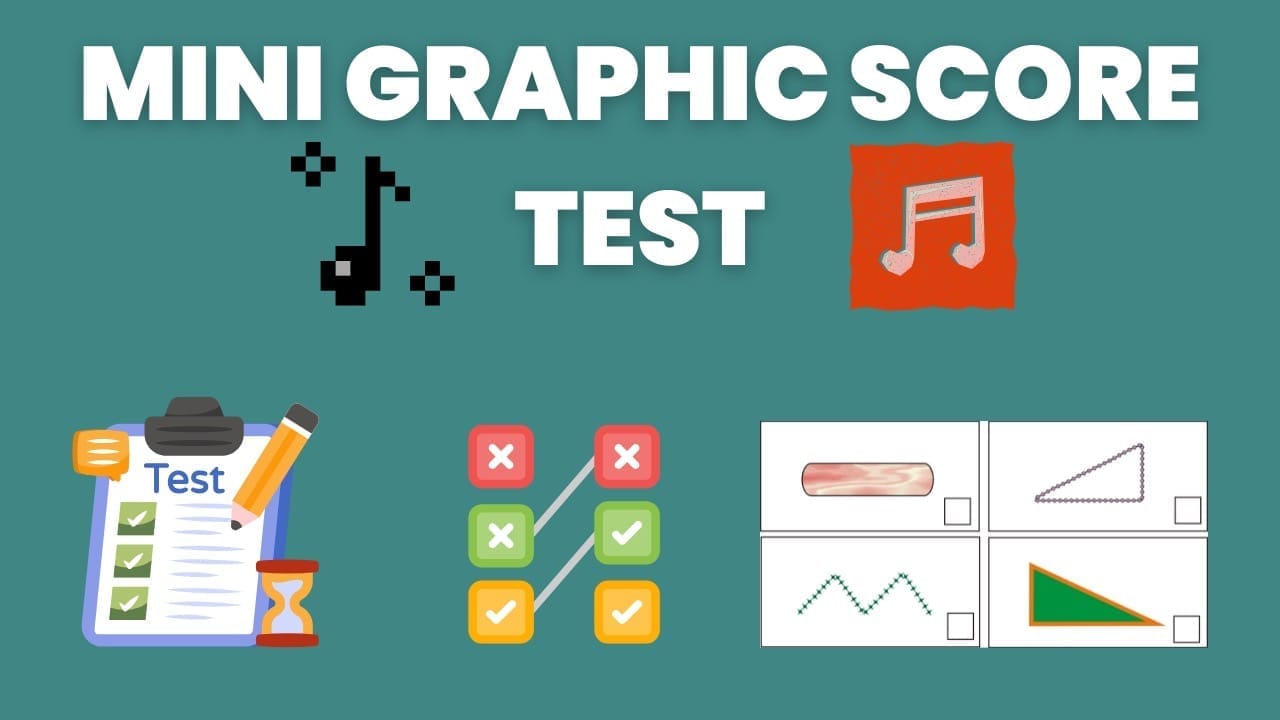
Next, you’ll complete a mini test using the same graphic scores you’ve been practising with:
four options,
one correct match,
repeated listening,
and calm thinking time.
This helps you practise under test-style conditions, without pressure.
🔍 Part 5: Answer Breakdown & Explanation
After the mini test, we’ll go through each question carefully.
You’ll see:
which graphic score was the correct answer, and
a clear explanation of why it was the best match, linking what you heard to what you saw.
This step is really important — it helps you:
understand your mistakes,
strengthen your listening skills,
... and feel more confident for the real Music Aptitude Test.